
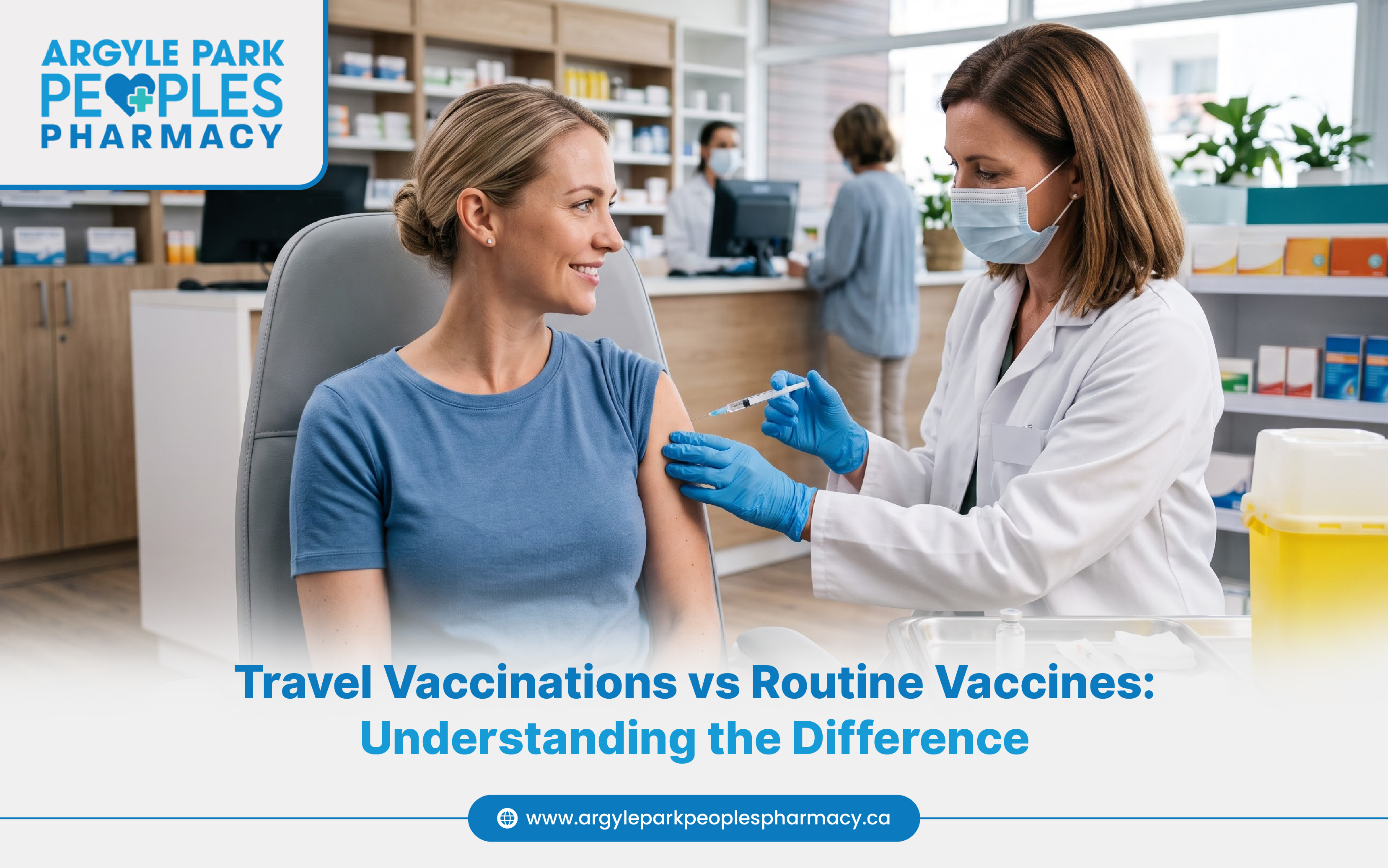
Travel Vaccinations vs Routine Vaccines: Understanding the Difference
Vaccinations play an important role in protecting against infectious diseases, but not all vaccines are recommended for the same reasons. Routine vaccines are generally given according to age and healthcare needs, while travel vaccinations may be recommended based on the health risks, destination and activities involved in a trip. Understanding the difference can help travellers stay up to date with routine immunisations and plan any additional vaccines well before departure.
Whether you are travelling for a holiday, business, or an extended international stay, a healthcare professional can help you understand which vaccinations may be appropriate for your travel plans and health needs.
What is Routine Vaccinations?
Routine travel vaccination are immunisations recommended as part of standard healthcare. The vaccination is usually used in age -based vaccination programs, and in adult life based on medical needs.
Purpose of Routine Vaccines
Routine vaccines help protect against diseases that may occur within local communities or pose broader public health risks. Depending on age and vaccination history, routine immunisations may include protection against:
- Measles, mumps and rubella
- Tetanus and diphtheria
- Pertussis (whooping cough)
- Influenza
- Polio
Understanding Travel Vaccinations
Travel vaccination will depend on the nature of infectious diseases in a specific country or place. The recommendations can be based on your location, period of stay, your activities scheduled and the presence of any health conditions.
1. Destination-Specific Protection
Travelers may be exposed to less prevalent diseases in their homeland. Healthcare professionals might advise vaccines for:
- Hepatitis A
- Typhoid
- Yellow fever
- Hepatitis B
- Japanese encephalitis
2. International Entry Requirements
Some countries require proof of vaccination for entry or transit. Yellow fever vaccination certificates, for example, may be required in certain travel situations. Before travelling, travellers must make sure they read up on the latest entry requirements into their destination, and take time to complete any necessary vaccinations and documentation.
Key Differences Between Travel and Routine Vaccines
Although the two types of vaccination aid in the prevention of infectious diseases, the two types of vaccination are different concerning their purpose and timing.
1. Vaccination Timing
Routine vaccinations are usually as per an immunisation schedule. Travel vaccinations on the other hand, can require several weeks prior to travel so that the protection can be developed.
2. Health and Travel Considerations
Routine vaccination recommendations are often based on age, medical history and general health needs. Travel vaccination recommendations also consider:
- Countries and regions being visited
- Duration of the trip
- Planned outdoor or high-risk activities
- Previous vaccination history
- Existing health conditions
How to Prepare for Travel Vaccinations
Individuals seeking travel vaccines should schedule a consultation before travelling. A healthcare professional can review the itinerary, vaccination records and possible exposure risks.
1. Travel Health Assessment
A travel health assessment can involve questions regarding accommodation, exposure to water and food, activities planned to be done and countries being visited. Based on this information, the healthcare provider can recommend suitable vaccinations and preventive precautions.
2. Planning Vaccinations Before Departure
Other vaccinations may need multiple doses or have to be done within a certain time period prior to traveling. Early booking of an appointment will enable the traveller to complete the recommended schedule without unnecessary delays.
3. Finding a Pharmacy in Regina for Travel Vaccines
A pharmacy in Regina can offer convenient access to travel health guidance and vaccination services, depending on the services provided by the pharmacy and applicable regulations.
4. Professional Guidance and Records
Healthcare professionals can assist the travellers in knowing about vaccinations that are recommended, potential side effects and how each should be taken. Being able to keep up with updated vaccination status will also determine whether booster doses or additional immunizations are required.
Conclusion
Common infectious diseases are proactively safeguarded by routine vaccines, whereas travel vaccinations cover the health risks posed by specific destinations.
If you are planning international travel, Argyle Park People’s Pharmacy can provide healthcare support for individuals seeking travel vaccination services in Regina. Contact the pharmacy team to discuss your destination, travel plans and vaccination requirements before your departure.
If you are planning international travel, Argyle Park People’s Pharmacy can provide healthcare support for individuals seeking travel vaccination services in Regina. Contact the pharmacy team to discuss your destination, travel plans and vaccination requirements before your departure.